Baby Deer Sleeping Redwork: A Designer’s Review
As an embroidery designer who has spent years digitizing and testing files for commercial use, I approach every new machine embroidery design with a critical eye. It is not just about whether the art looks pretty on a screen; it is about how that art translates to fabric, withstands washing, and serves a business purpose. Recently, I evaluated the Baby Deer Sleeping Redwork for potential integration into small business merchandise lines. This piece, categorized under Wild Animals, offers a nature-filled display of art that immediately struck me as versatile, provided it is applied with strategic intent.
First Impressions: Visual Personality and Brand Fit
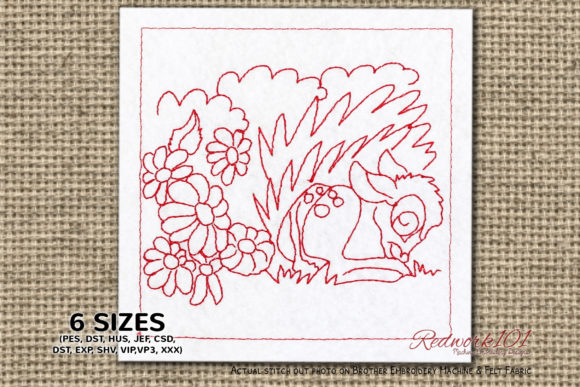
The initial visual impact of Baby Deer Sleeping Redwork is one of gentle elegance. The concept of a little baby deer hiding in a bouquet of flowers and leaves suggests a soft, rustic, and handmade aesthetic. For brands operating in the boutique, bakery, florist, or pet care sectors, this imagery aligns perfectly with a narrative of care, nature, and tranquility. Unlike bold, aggressive logos, this design communicates warmth. It feels premium yet accessible, making it an ideal candidate for businesses that want to project a friendly and organic brand identity.
The "Redwork" style typically implies single-color stitching, often in red, but in modern commercial embroidery, this technique can be adapted to any thread color to match specific brand guidelines. This simplicity is a strength. It reduces production time and cost while maintaining a classic, timeless look. However, the complexity lies in the details—the leaves and the floral bouquet surrounding the deer. These elements must be digitized with precision to ensure they do not become a tangled mess of threads when scaled down.
Real-World Applications for Small Business Merch
When considering small business merch, versatility is key. I tested the viability of this design across several common product categories. Here is how Baby Deer Sleeping Redwork performs in real-world scenarios:
- Embroidered Patches: This is perhaps the strongest application. A well-digitized version of this design can serve as a standalone branded patch. Applied to denim jackets, canvas bags, or even laptop sleeves, it acts as a subtle badge of quality. The organic shapes of the leaves and deer allow for a merrowed edge or a satin stitch border that frames the artwork beautifully.
- Apron Embroidery: For bakeries, florists, and craft studios, staff uniforms are a walking advertisement. Placing this design on the chest pocket or the upper corner of an apron adds a touch of personality without being overwhelming. It reinforces the handmade, artisanal vibe of the establishment.
- Tote Bag Design: Canvas tote bags are a staple for eco-conscious brands. The nature theme of the sleeping deer complements the sustainable message of reusable bags. When embroidered centrally or on the lower corner, it elevates a simple bag into a desirable handmade product.
- Cap Embroidery: Using this on caps requires caution due to the curved surface. However, if the design is simplified or scaled appropriately, it can work as a side-panel accent or a front-center logo for boutique coffee shops or garden centers.
Navigating Technical Challenges in Commercial Embroidery
While the aesthetic appeal is high, a professional review must address the technical hurdles. The description notes that the Stitch Box shown in the picture is optimized, but as a designer, I always advise verifying the stitch density and file structure before full production. Here are the critical areas where Baby Deer Sleeping Redwork requires careful handling:
- Scale and Detail: The intricate bouquet of flowers and leaves can lose definition if the design is shrunk too small. For tiny patch sizes or left-chest logos, ensure the digitizer has used adequate spacing between elements. If the stitches are too close, they will pull the fabric and distort the image.
- Fabric Texture: This design will behave differently on various materials. On smooth cotton, the details will pop. On textured fabrics like terry cloth or heavy wool, the finer leaf details might get lost. Always test on the actual fabric texture you intend to use.
- Stabilizer Selection: Because the design involves multiple directional changes in the foliage, using the correct stabilizer is non-negotiable. A cut-away stabilizer is often recommended for garments that will undergo frequent washing, ensuring the design remains stable and does not pucker over time.
- Thread Color Contrast: While traditional redwork uses red thread, your brand may require navy, forest green, or black. Test the design in monochrome first. Ensure there is enough contrast between the stitches and the garment color. A dark deer on a black shirt will vanish, ruining the visual impact.
Enhancing Brand Identity and Customer Trust
Incorporating Baby Deer Sleeping Redwork into your product line is more than just adding decoration; it is a strategic move to enhance brand identity. Consistent use of high-quality embroidery signals professionalism. When customers see a neatly stitched deer on a tote bag or a uniform, it subconsciously communicates attention to detail. This builds trust and perceived value.
For Etsy sellers and crafters, this design can differentiate your offerings. In a market saturated with printed graphics, embroidered items stand out as premium. The tactile nature of embroidery invites customers to touch and engage with the product. Furthermore, using such a specific, nature-themed design helps in creating a cohesive visual story. If your brand values sustainability, nature, or gentle craftsmanship, this digital embroidery file becomes a core asset in your marketing toolkit.
Practical Designer Notes for Production
Before you commit to bulk production or offer this as a custom option to clients, follow these practical steps to ensure success:
- Check Licensing: Confirm the commercial licensing terms. Ensure you have the right to use the embroidery file for physical goods you intend to sell. Never assume; always read the license agreement provided by the designer.
- Create a Printable Mockup: Before stitching a single thread, create a printable mockup or a digital visualization. Place the design on images of aprons, caps, and bags to see if the scale feels right. This saves time and material costs.
- Test Hoop Size Compatibility: Verify the required hoop size. If the design is large, ensure your machine can accommodate it. If it is small, consider multi-hooping strategies if you need to place it in tight spaces, though single-hoop is always preferred for efficiency.
- Compare with Other Design Assets: Look at Baby Deer Sleeping Redwork alongside your existing logo and branding elements. Does it clash? Does it complement? Visual consistency is crucial for professional recognition.
- Inspect the Finished Product: After the test stitch, inspect the back of the embroidery. Are there excessive jumps? Is the tension balanced? A clean finish on the inside is just as important as the outside for durability and comfort, especially for items worn against the skin.
In conclusion, Baby Deer Sleeping Redwork is a compelling choice for businesses looking to add a touch of nature-inspired elegance to their merchandise. It bridges the gap between artistic expression and commercial viability. By paying attention to technical details like stitch density, fabric choice, and scaling, you can transform this digital asset into a powerful tool for brand building. Whether used for custom apparel, promotional gifts, or retail products, this design has the potential to elevate your brand’s presence in the marketplace. Always prioritize quality control and testing to ensure that every stitched piece reflects the high standards of your business.