Mouse Pad Sloth Embroidery: A Designer’s Review
As an embroidery designer who spends half my life digitizing and the other half stitching, I approach every new Creative Fabrica embroidery find with a critical eye. We are not just looking for cute images; we are looking for viable commercial assets that translate well from screen to thread. Recently, I came across the Mouse Pad Sloth Embroidery listing. At first glance, the title suggests a sublimation product for desk accessories, categorized under Illustrations and Graphics. However, for those of us in the boutique apparel space, the visual potential often extends far beyond the original intended use case. Here is my professional breakdown of how this design performs when adapted for sweatshirt embroidery, hoodie designs, and custom apparel collections.
Visual Personality and Stitching Mood
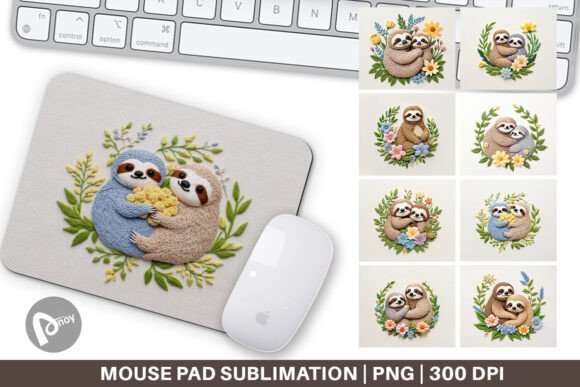
The first impression of the Mouse Pad Sloth Embroidery is one of relaxed charm. The sloth motif carries an inherent "slow living" aesthetic that resonates deeply with current lifestyle trends. Visually, the design feels playful yet minimal. It does not scream for attention with chaotic details; instead, it offers a calm, decorative strength that works beautifully on neutral tones. When I imagine this converted into a machine embroidery design, I see a piece that balances cute and classic elements. It avoids being overly juvenile, which makes it versatile for adult apparel, specifically oversized garments and cozy seasonal outfits.
The level of detail appears moderate. For an embroidery shop, this is ideal. Overly complex illustrations often result in high stitch counts that can pucker lightweight fabrics or take too long to run on multi-head machines. This design’s simplicity suggests a manageable stitch density, allowing for quicker production times without sacrificing visual impact. It feels premium in its restraint, offering a clean look that enhances brand identity rather than overwhelming it.
Apparel Application and Placement Strategy
When planning a small sweatshirt or hoodie collection, placement is everything. The Mouse Pad Sloth Embroidery shines in specific areas where its personality can breathe. For a standard crewneck sweatshirt, I recommend a left-chest placement. This creates a subtle, boutique-brand feel that appeals to customers looking for understated style. The design’s compact nature ensures it does not distort on the curved surface of the chest, provided the correct stabilizer is used.
For hoodies, consider using the design as a sleeve accent. A small sloth embroidered near the cuff adds a delightful surprise element that increases perceived value. It transforms a basic garment into a handmade product with unique character. If you are working with oversized garments or dark apparel, this design can also serve as a central back piece, though you may need to scale it up significantly. In this scenario, ensure the lines remain thick enough to hold the thread structure without breaking down into indistinct blobs.
Beyond tops, this graphic translates exceptionally well to tote bag design. Canvas bags benefit from bold, simple imagery, and the sloth’s relaxed posture complements the utilitarian vibe of a market tote. It also works on denim jackets, where the contrast between the rugged fabric texture and the soft, playful subject matter creates a trendy, eclectic look.
Fabric Considerations and Technical Challenges
Working with fleece and ribbed fabric requires careful attention to technical details. Fleece is plush and can swallow small stitches, so if you are adapting this digital embroidery file, you must check the stitch density. A satin stitch border might get lost in high-pile fleece, so a wider column stitch or a fill stitch with appropriate underlay is crucial. For ribbed fabric, such as cuffs or collars, avoid placing the design directly on the ribs unless you use a strong cut-away stabilizer to prevent distortion.
Dark garments present another challenge: visibility. If the original Mouse Pad Sloth Embroidery relies on light colors, you must adjust your thread colors for contrast. Using metallic or variegated threads can add depth and make the design pop against black or navy backgrounds. Always test on scrap fabric that matches your production material. This step is non-negotiable for maintaining professional presentation and buyer trust.
Since the product description mentions receiving PNG files, it is vital to clarify that these are raster images, not vector or embroidery files. You cannot send a PNG directly to an embroidery machine. You will need to digitize the image yourself or hire a digitizer to convert the illustration into a usable embroidery file. This process allows you to control the hoop size, stitch type, and sequence, ensuring the final product meets commercial embroidery standards.
Enhancing Brand Identity and Customer Engagement
Incorporating unique graphics like the Mouse Pad Sloth Embroidery into your lineup helps differentiate your small shop product from mass-market competitors. Consistency in visual mood builds brand recognition. If your boutique focuses on comfort, mindfulness, or whimsical aesthetics, this design aligns perfectly. It tells a story of relaxation and creativity, which resonates with your target audience.
For Etsy sellers and creative entrepreneurs, lifestyle product photos are key to conversion. Imagine a pastel hoodie with the sloth embroidered on the chest, styled with a coffee mug and a book. This setup creates an emotional connection, showing the customer not just a product, but a feeling. Printable mockups can help visualize this before you stitch a single thread, allowing you to test color combinations and placement options efficiently.
Practical Notes for the Embroidery Designer
Before launching this design in your store, follow these practical steps to ensure quality:
- Confirm Licensing: Check the Creative Fabrica product details and licensing terms. Ensure that converting a graphic illustration into a physical embroidered item for sale is permitted under the commercial license.
- Digitization Quality: If you are digitizing the PNG yourself, pay close attention to pull compensation. Sloths have rounded shapes that can distort if the fabric pulls too much during stitching.
- Stabilizer Choice: Use a no-show mesh stabilizer for lightweight t-shirts to keep the back clean. For heavy sweatshirts, a tear-away may suffice, but test for stability.
- Thread Color Contrast: Select thread colors that complement the garment while ensuring the design remains legible. Avoid low-contrast combinations that look muddy from a distance.
- Hoop Size: Determine the optimal hoop size for your placement. A 4x4 hoop might be perfect for chest logos, while a 5x7 could work for larger back prints.
Remember, the original product description states you will receive PNG files. It does not specify stitch count, native embroidery formats, or machine compatibility. Therefore, you must assume the need for manual digitization. This extra step gives you full creative control but requires technical skill. Inspect the source image for resolution; a low-quality PNG will result in a poor-quality embroidery file.
Final Verdict for Boutique Collections
The Mouse Pad Sloth Embroidery is a promising asset for apparel decorators willing to put in the digitization work. Its visual appeal lies in its simplicity and trend-aligned subject matter. It performs well across various garments, from cozy hoodies to sturdy tote bags, adding a touch of whimsy that enhances customer engagement. By carefully managing fabric textures, stabilizer choices, and thread colors, you can transform this graphic into a high-value finished product that strengthens your boutique brand. Always prioritize testing and licensing verification to ensure your commercial embroidery projects run smoothly and profitably.