Mushrooms Redwork: A Designer’s Practical Review
As a designer who spends more time staring at stitch maps than actual finished garments, I have developed a specific eye for what works in the hoop and what looks good on paper but fails in thread. When I first pulled up Mushrooms Redwork, my initial reaction was one of relief. In a market saturated with overly complex, high-density fills that eat up thread budgets and puckers delicate fabrics, this design offers a refreshing return to simplicity. It is not just about aesthetics; it is about usability. For those of us running small embroidery businesses or crafting personalized gifts, reliability is just as important as charm.
The Visual Personality of the Design
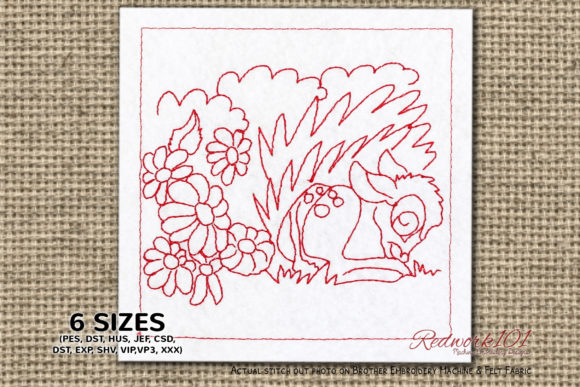
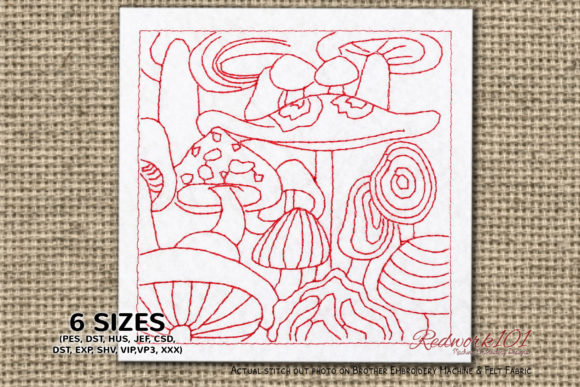
The core appeal of Mushrooms Redwork lies in its silhouette. Redwork, by definition, relies on single-color stitching, usually utilizing a running stitch or a simple satin edge to create outline-based imagery. This particular design features a multitude of mushroom shapes, creating a gorgeous natural display that feels organic rather than rigid. The arrangement is key here. It does not feel like clip-art pasted randomly; there is a flow to the composition that guides the eye across the cluster of fungi.
From a mood perspective, this design hits a sweet spot between whimsical and rustic. It fits squarely into the current trend of cottagecore and nature-inspired decor, yet it remains versatile enough for modern minimalism. Because it lacks heavy fill stitches, the negative space plays a huge role in the final look. This makes it an excellent candidate for projects where you want the fabric texture to breathe through the design. Whether you are working with a crisp linen for a kitchen towel or a soft cotton for a baby onesie, the design adapts to the fabric texture rather than fighting against it.
Real-World Application: The Tote Bag Test
To truly evaluate an embroidery file, I mentally place it on various products. My go-to test case for a design like this is a canvas tote bag. Canvas is forgiving, but it can be unforgiving if the stitch density is too high, causing the bag to stiffen unnaturally. Mushrooms Redwork shines here. Since it is primarily outline-based, it adds visual interest without adding significant weight or stiffness to the handle area or the center panel.
Imagine stitching this onto a natural, unbleached canvas tote. Using a deep forest green or a classic red thread, the mushrooms pop against the neutral background. It transforms a generic bag into a handmade product with personality. For Etsy sellers and small shop owners, this is a crucial selling point. Customers are increasingly drawn to items that feel artisanal and understated. This design allows you to charge a premium for a custom apparel or accessory item because the execution looks clean and professional, not cluttered.
Versatility Across Product Lines
Beyond totes, this design has strong potential in several other categories. Consider sweatshirt embroidery. Heavy fleece can be tricky because the pile of the fabric can swallow small details. However, the bold outlines of the mushrooms in this redwork style remain visible even on textured surfaces. It creates a cozy, autumnal vibe perfect for seasonal sales.
For baby embroidery, the softness of the design is a major asset. Parents often prefer designs that are not too dense or scratchy against sensitive skin. A redwork style, with its lighter stitch count, is ideal for onesies or burp cloths. It also works beautifully for holiday embroidery projects, such as Thanksgiving table runners or Christmas stockings, where a natural, woodland theme is highly sought after.
If you are into making embroidered patches, this design is a strong contender. Patches require designs that hold their shape when cut out. The interconnected nature of the mushroom cluster provides structural integrity, meaning you won’t have fragile, isolated threads that fray easily after washing. This makes it a durable choice for commercial embroidery applications where longevity matters.
Technical Considerations and Fabric Choices
While the design is versatile, it is not without its technical requirements. As an experienced reviewer, I must point out where caution is needed. First, consider your hoop size. Ensure the design fits comfortably within your chosen hoop with adequate margin for stabilization. If you are scaling the design down for a small pocket on a cap, check the detail level. Tiny corners in mushroom caps can sometimes cause thread breaks or nesting if the needle cannot turn sharply enough.
Stabilizer choice is critical. For stretchy fabrics like t-shirts or jersey knits, a cut-away stabilizer is non-negotiable to prevent distortion. Even though redwork is light, the tension of the running stitches can pull thin fabrics if they are not properly supported. On woven fabrics like linen or cotton, a tear-away stabilizer usually suffices, but always test on scrap fabric first.
Color contrast is another vital element. Since this is a single-color design, the relationship between the thread colors and the fabric is everything. On dark fabrics, a bright red or white thread will stand out dramatically. On light fabrics, earth tones like brown, olive, or slate blue offer a sophisticated, subtle look. I recommend testing the design in black and white mockups to ensure the lines remain distinct regardless of the color palette you choose.
Business Value and Branding
For creative entrepreneurs and digital product sellers, the value of Mushrooms Redwork extends beyond the stitch count. It is a design asset that communicates a specific brand identity: grounded, natural, and thoughtful. Using this design in your printable mockup previews can help attract customers who appreciate minimalist aesthetics. It signals that your brand values quality over quantity.
Moreover, because the design is less dense, it stitches out faster. In a production environment, time is money. A design that stitches quickly allows you to fulfill orders for personalized gifts and craft fair products more efficiently. This efficiency can improve your profit margins without sacrificing the perceived value of the finished product.
Final Verdict and Best Practices
Before you commit to using Mushrooms Redwork in a client project or for your inventory, take these practical steps:
- Test on Scrap Fabric: Always run a test stitch on the same type of fabric you plan to use for the final product. Check for puckering or thread breaks.
- Check Licensing: Confirm the license terms provided with the digital embroidery file. Ensure you have the right to sell finished items if you are a craft business.
- Inspect Small Details: Zoom in on the design software. Look for any overlapping stitches or tiny jumps that might need manual editing for cleaner results.
- Consider the Audience: Think about who will buy the final item. Does this natural, rustic style align with their tastes? It is perfect for nature lovers, gardeners, and fans of folk art.
In conclusion, Mushrooms Redwork is a solid addition to any designer’s library. It bridges the gap between decorative flair and practical application. It respects the fabric, honors the machine’s capabilities, and delivers a charming result that resonates with today’s market trends. Whether you are creating a tote bag design for a local farmer’s market or a custom apparel piece for a boutique, this design offers the reliability and aesthetic appeal needed to succeed. It is a reminder that sometimes, less stitch density means more impact.