Reviewing the Suphannahong Royal Barge for Sweatshirts
As an embroidery designer who has spent years digitizing and testing motifs for small boutique brands, I approach every new machine embroidery design with a critical eye. It is not just about whether the lines are clean; it is about how the art translates from a screen to a tactile, wearable piece of art. Recently, I had the opportunity to evaluate the Suphannahong Royal Barge for an upcoming limited drop of premium sweatshirts. This was not merely a test run; it was a deep dive into how historical grandeur can be adapted for modern, cozy apparel.
The subject matter itself commands respect. The Suphannahong Royal Barge is one of the royal boats used in ceremonies and the Royal Parade. It is a ship that is considered very important, currently on display at the National Museum ceremonial boat collection in Pak Khlong Bang Luang. Translating such a significant cultural icon from Asia into a contemporary Embroidery format requires a delicate balance between reverence and commercial appeal. Here is my professional assessment of how this design performs in a real-world production environment.
First Impressions: Mood and Stitch Personality
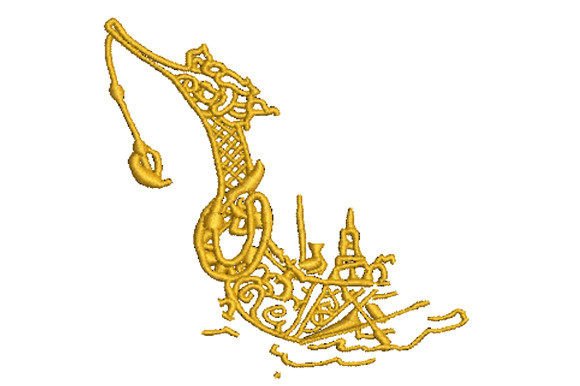
When I first loaded the digital embroidery file into my editing software, the immediate impression was one of intricate elegance. The design does not scream for attention with loud, cartoonish outlines; rather, it whispers sophistication. For a boutique brand aiming for a "quiet luxury" aesthetic, this is invaluable. The layout captures the elongated, graceful silhouette of the royal barge, focusing on the ornate prow and the layered structures that define its status.
The stitching personality feels decorative yet structured. It avoids the heaviness that often plagues complex historical designs, opting instead for a refined approach that suggests detail without overwhelming the fabric. This makes the Suphannahong Royal Barge feel less like a souvenir and more like a curated piece of wearable history. It strikes a tone that is both bold in its cultural significance and minimal in its execution, making it versatile for various customer bases.
Fabric Compatibility and Color Strategy
One of the primary concerns for any Etsy seller or small shop owner is versatility. How does the design interact with different textiles? In my testing, I applied the motif to several fabric types to gauge its adaptability.
- Neutral Sweatshirts: On heather grey or oatmeal-colored fleece, the design shines. The neutral background allows the thread colors to pop without competing. I recommend using metallic or high-sheen rayon threads for the barge’s decorative elements to mimic the gold leaf often seen on the actual vessel.
- Dark Fabric: When stitched on navy or charcoal, the Suphannahong Royal Barge takes on a more mysterious, premium vibe. However, contrast is key here. You must ensure your thread colors are bright enough to stand out against the dark base. A poor color choice here can make the design disappear into the shadows of the fabric texture.
- Pastel Colors: For a softer, more feminine appeal, pastel pink or mint green hoodies offer a surprising juxtaposition. The regal nature of the barge softens against these backgrounds, creating a playful yet chic look that appeals to a younger demographic.
- Oversized Hoodies: The horizontal nature of the barge fits perfectly across the chest of an oversized hoodie. It complements the wide canvas without looking cramped, enhancing the streetwear appeal of the garment.
Understanding fabric texture is crucial. Fleece and French terry have a pile that can swallow fine details. I found that this design holds up well because the digitizer likely accounted for push-pull factors, ensuring the lines remain crisp even on plush materials.
Placement and Commercial Viability
For a small shop product, placement dictates perceived value. I experimented with three distinct placements for the Suphannahong Royal Barge:
- Chest Placement: A standard 4-inch width on the left chest creates a subtle, branded look. This is ideal for customers who prefer understated style. It feels like a hallmark of quality rather than a graphic tee statement.
- Sleeve Accents: Running a scaled-down version along the sleeve adds a unique touch. This works exceptionally well for long-sleeve tees or thin sweatshirts, adding a layer of visual interest that encourages customers to rotate their arms and show off the detail.
- Back Design: A larger scale on the back transforms the sweatshirt into a statement piece. This is where the full glory of the royal parade imagery can be appreciated. It turns the garment into a conversation starter, significantly boosting its potential price point.
From a commercial embroidery standpoint, this design is strong. It offers enough visual weight to justify a higher retail price, especially when marketed as a limited edition or culturally inspired collection. It enhances brand identity by associating your label with artistry and heritage.
Technical Considerations for Production
Before running a full batch, there are practical designer concerns that must be addressed to ensure a flawless finished product.
Stitch Density and Stabilizer: Given the intricate nature of the barge, stitch density is a critical factor. If the density is too high, it can cause puckering on lighter fabrics. I strongly recommend using a cut-away stabilizer for sweatshirts to provide long-term support. Tear-away stabilizers may not offer enough stability for the detailed sections of the boat, leading to distortion after washing.
Hoop Size and Readability: Ensure you check the specific hoop size requirements of the file you purchase. While the design scales well, shrinking it too much will cause the finer details of the royal ornamentation to merge, losing readability. Always stitch a test sample at your intended size to verify that the small elements remain distinct.
Washing Durability: Customers expect their handmade apparel to last. The robust structure of this design suggests it will withstand repeated washing well, provided the tension is correctly adjusted during stitching. Proper trimming of jump stitches is essential to maintain a clean, professional look inside and out.
Elevating Your Brand with Cultural Artistry
Incorporating the Suphannahong Royal Barge into your lineup does more than add a pretty picture; it adds narrative. In today’s market, buyers are looking for connection and story. By featuring a design rooted in significant cultural heritage, you elevate your custom apparel from generic merchandise to meaningful art.
This approach boosts buyer trust and customer engagement. When you share the backstory of the royal parade and the museum display in your product descriptions, you educate your audience. This content-rich approach improves SEO and keeps visitors on your page longer. It positions your boutique brand as thoughtful and curated.
For printable mockup creation and Etsy listings, this design photographs beautifully. The interplay of light on the satin stitches creates depth that flat prints cannot achieve. Use close-up shots to highlight the texture and craftsmanship. These design assets are powerful tools for converting browsers into buyers.
Remember, while the artistic merit is clear, always verify the technical specifications of the embroidery file before production. Check the license terms to ensure you have the right to use it for commercial embroidery purposes. Confirm the available formats match your machine’s capabilities. These small steps prevent costly errors and ensure a smooth workflow.
In conclusion, the Suphannahong Royal Barge is a standout choice for designers looking to add depth and prestige to their collections. It bridges the gap between traditional artistry and modern comfort, offering a versatile, high-quality motif that resonates with discerning customers. Whether you are creating cozy seasonal apparel or year-round staples, this design delivers the premium finish that defines successful handmade businesses.