Reviewing Mouse Pad Alpaca Embroidery for Boutique Sweatshirts
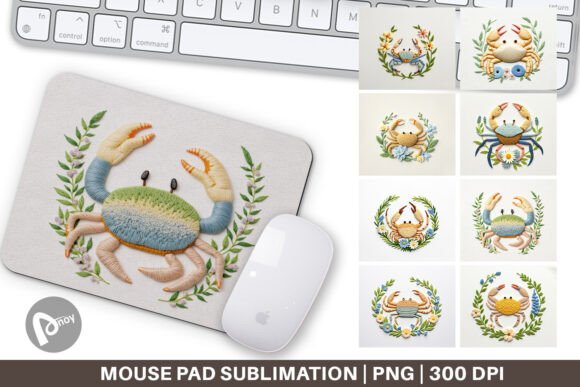
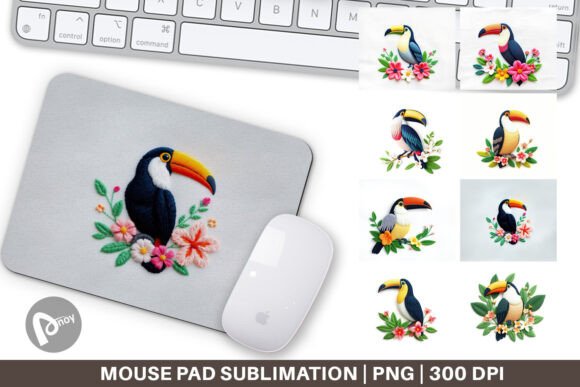
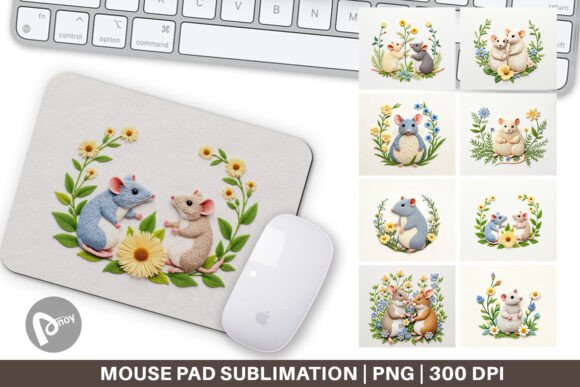
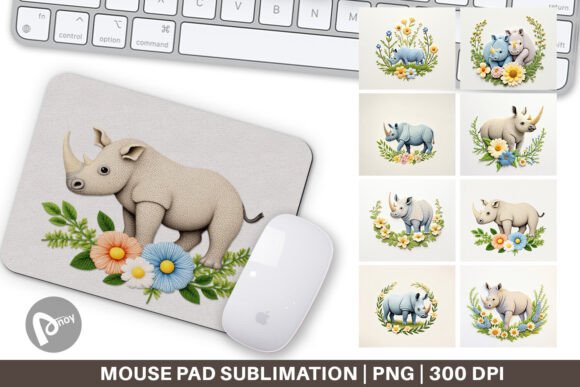
As an embroidery designer who has spent years digitizing and testing designs for small clothing brands, I approach every new machine embroidery design with a critical eye. It is not just about whether the image looks cute on a screen; it is about how those stitches will behave on fabric, how they will hold up after washing, and whether they elevate the perceived value of the final garment. Recently, I evaluated Mouse Pad Alpaca Embroidery for a potential limited-edition drop for a boutique client. While the product listing categorizes this under Illustrations and Graphics specifically as a sublimation mouse pad asset, my goal was to determine if its visual language could translate effectively into high-quality sweatshirt embroidery.
First Impressions: Mood and Aesthetic Appeal
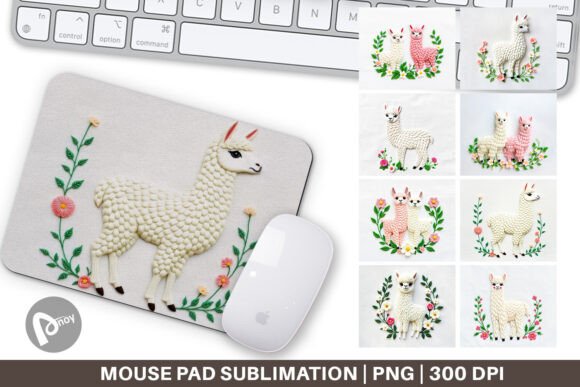
The immediate impression of Mouse Pad Alpaca Embroidery is one of playful charm. The alpaca motif, often associated with softness and whimsy, carries a distinct personality that resonates well with current trends in cozy, lifestyle-focused apparel. For a boutique brand targeting customers who appreciate handmade aesthetics, this design offers a blend of rustic warmth and modern cuteness. The layout appears balanced, suggesting that if properly digitized, it could serve as a focal point without overwhelming the garment.
When I visualize this design on neutral sweatshirts—think oatmeal, heather grey, or soft cream—the contrast becomes key. An alpaca design typically benefits from earthy thread colors like warm browns, creams, and subtle accents of pastel pink or sage green. On dark fabric, such as charcoal or navy, the design would require careful selection of lighter threads to ensure readability. The "creative design" aspect mentioned in the source description suggests intricate details that, when translated into stitches, can add a luxurious texture to the fabric texture of a premium cotton blend.
Translating Digital Graphics to Physical Stitches
It is important to address the nature of the source file. The product description notes that you will receive a PNG file, which is a raster image format commonly used for sublimation or printing. For commercial embroidery, we cannot directly use a PNG for stitching. Instead, this image serves as the foundational artwork for creating a custom embroidery file. As a designer, I would take this illustration and manually digitize it, determining the stitch density and direction to suit the thickness of sweatshirt fleece.
This step is crucial for maintaining the integrity of the design. If the original graphic has fine lines or small details, they may need to be simplified or thickened to prevent thread breaks or puckering. For a hoodie design, especially on the chest or sleeve, the stitch count must be balanced. Too dense, and the fabric will pucker; too sparse, and the backing will show through. By treating the Mouse Pad Alpaca Embroidery graphic as a reference for digitization, we ensure that the final finished product feels professional and durable.
Placement and Versatility in Apparel Design
One of the strengths of this alpaca motif is its versatility in placement. For a small online shop, maximizing the utility of a single design asset is essential for profitability. Here is how I envision using this design across different apparel items:
- Chest Placement: A medium-sized hoop on the left chest creates a classic, understated look. This works exceptionally well for oversized hoodies where minimal branding is preferred.
- Sleeve Accents: Placing a smaller version of the alpaca on the lower sleeve adds a unique, custom touch that distinguishes the garment from mass-produced alternatives.
- Back Designs: Enlarging the design for the upper back allows for more intricate detailing, turning the sweatshirt into a statement piece suitable for lifestyle product photography.
- Boutique Merchandise: Beyond apparel, this design could be embroidered on tote bags or beanies, expanding the product line for an Etsy seller or craft entrepreneur.
Each placement requires adjusting the hoop size and stabilizer choice. For fleece-heavy sweatshirts, a cut-away stabilizer is non-negotiable to support the weight of the stitches and maintain shape over time.
Practical Designer Concerns for Production
When preparing a small shop product run, practical concerns dictate success. The first is washing durability. Alpaca designs often feature soft, fluffy textures. In embroidery, we mimic this using satin stitches or fill stitches with varying angles. Testing the design on actual fabric swatches is vital to ensure the threads do not snag or fray after multiple washes. Additionally, the contrast between the thread and the fabric must be sharp enough to be recognizable from a distance, enhancing visual recognition for the brand.
Another consideration is the "premium" feel. A poorly digitized design can look cheap, regardless of the garment quality. By carefully managing pull compensation and underlay stitches, we ensure the alpaca sits flat and smooth against the custom apparel. This attention to detail builds buyer trust. Customers are more likely to leave positive reviews and return for future purchases when the embroidery feels substantial and well-crafted.
Enhancing Brand Identity and Customer Engagement
In the competitive market of handmade goods, unique design assets are what set a boutique brand apart. Using a distinctive illustration like Mouse Pad Alpaca Embroidery helps establish a cohesive visual identity. Whether the brand leans towards feminine, playful, or rustic aesthetics, this design adapts well. It invites engagement on social media, where close-up shots of the stitching texture can highlight the craftsmanship involved.
For digital sellers and creative entrepreneurs, offering this as part of a coordinated collection—perhaps paired with matching printable mockups or care cards—increases the perceived value. It transforms a simple sweatshirt into a curated experience. The emotional connection customers feel with cute, animal-themed designs often leads to higher conversion rates and stronger brand loyalty.
Final Verdict for Boutique Use
While Mouse Pad Alpaca Embroidery is originally marketed as a graphic for mouse pads, its artistic merit makes it a strong candidate for apparel adaptation. For embroidery professionals, it provides a charming base for creating bespoke digital embroidery file outputs. The key lies in proper digitization techniques that respect the limitations of fabric and thread.
Before proceeding with production, always verify the specific technical details. Since the source provides PNG files, you must create or commission the actual stitch files. Check for recommended hoop size compatibility and ensure your stabilizer strategy matches the fabric weight. With these steps, this design can become a standout element in your next seasonal collection, offering both comfort and style to your customers.
Ultimately, integrating such creative illustrations into your handmade product lineup allows you to offer something truly special. It bridges the gap between digital art and tactile fashion, providing a unique selling proposition for your Etsy listings or direct-to-consumer website. Embrace the playful nature of the alpaca, refine the technical execution, and watch your boutique brand flourish.