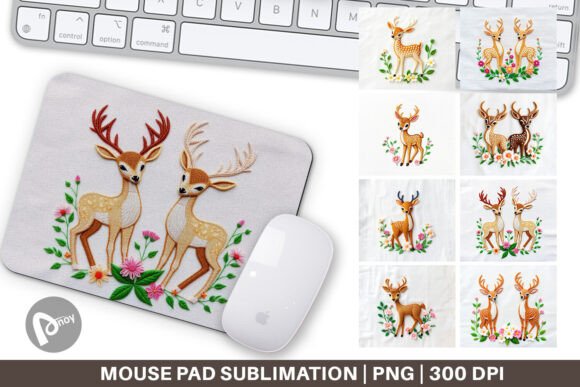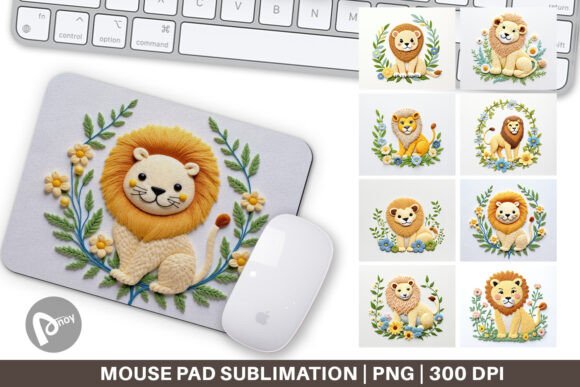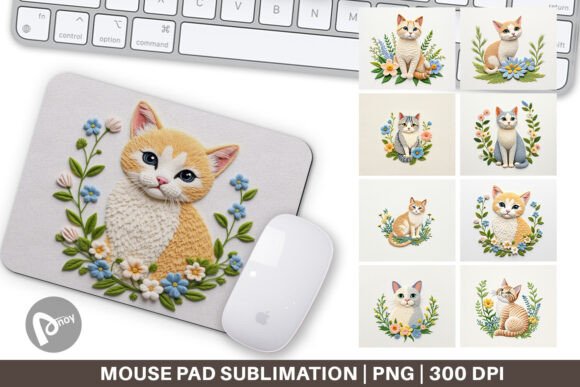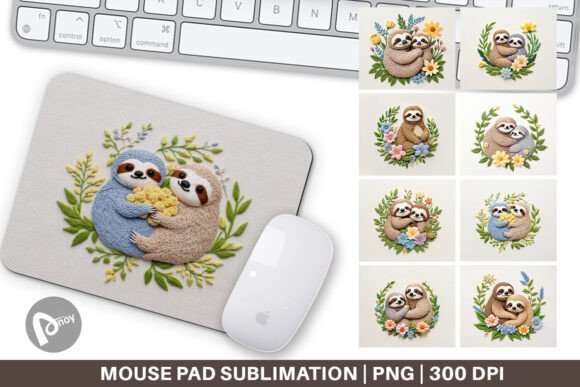
Mouse Pad Giraffe Embroidery: A Designer’s Review
As an embroidery designer who has spent countless weekends setting up booths at local craft fairs and managing an online shop, I have learned that not every digital file translates into a best-selling handmade product. When I first encountered the Mouse Pad Giraffe Embroidery, my initial reaction was one of curiosity mixed with professional scrutiny. The product description labels it as a sublimation mouse pad design, categorized under Illustrations and Graphics, intended to beautify work desks and gaming rooms. However, for those of us in the stitching community, the real question is not just how it looks on a screen, but how it performs when translated into thread and fabric.
In this review, I am evaluating this design from the perspective of a creator preparing for a high-traffic weekend market. I am looking at its potential beyond the mouse pad, exploring how this graphic can be adapted into tangible goods like tote bags, aprons, and patches that drive sales and enhance brand visibility.
First Impressions: Visual Appeal and Market Fit
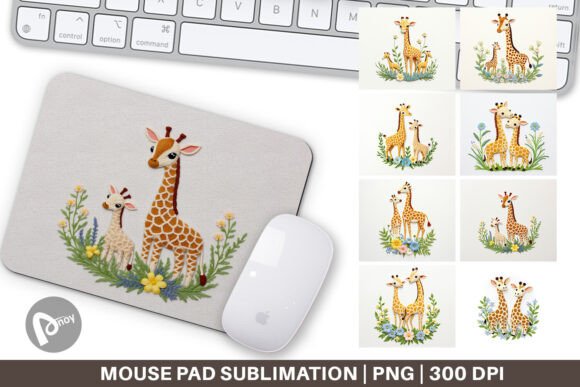
The immediate visual impact of the Mouse Pad Giraffe Embroidery is playful and modern. Giraffes are perennial favorites in the nursery and children’s decor markets, but they also have a strong presence in the "quirky office" aesthetic. The design feels bold yet approachable, striking a balance between cute and contemporary. For a craft fair booth, this is crucial. You need items that stop shoppers in their tracks. A design that is too intricate can get lost from a distance, while something too minimal might not justify the price point of a handmade item.
This particular graphic, described as attractive and creative, suggests a level of detail that could translate beautifully into a machine embroidery design if properly digitized. The long neck and distinctive spots of a giraffe offer excellent opportunities for creative stitch play. However, since the source file is a PNG intended for sublimation, we must consider how these lines and colors will hold up when converted into stitches. The key here is simplicity. Does the silhouette remain clear? If the original illustration relies heavily on subtle gradients, it may require simplification for embroidery to maintain clarity.
Adapting the Design for Craft Fair Products
While the original intent is for a mouse pad, limiting this design to a single product type is a missed opportunity for an Etsy seller or boutique maker. Here is how I see this design performing across various popular craft fair items:
- Tote Bag Design: A large-scale version of the giraffe on a canvas tote is a strong seller. Shoppers love functional art. The vertical nature of a giraffe fits perfectly on the side of a bag, creating a striking profile that is visible even when the bag is hanging on a display rack.
- Apron Embroidery: For kitchen or workshop aprons, placing the giraffe head and neck on the bib area creates a charming focal point. It adds personality to a utilitarian item, making it an ideal gift for teachers, chefs, or artists.
- Tea Towel Embroidery: This is a classic craft fair staple. A smaller, simplified version of the design works well here. However, one must be cautious with fabric texture. Terry cloth or waffle weave towels can swallow small stitches, so the design needs to be bold enough to stand out against the textured background.
- Embroidered Patch: Patches are low-commitment purchases that add up quickly at checkout. A giraffe patch, perhaps with a humorous quote or just the animal itself, appeals to teens and adults alike. It allows customers to customize their own jackets or bags, extending the life of your design.
- Caps and Hats: Curved surfaces are tricky. The giraffe’s long neck might need to be stylized or cropped to fit the limited hoop space of a cap front. If the design is too wide, it will distort around the curve.
Production Practicalities and Technical Considerations
Before running a batch of twenty items for a fair, there are critical technical steps to take. Since the provided file is a PNG for sublimation, you do not have an immediate embroidery file (such as DST or PES). You will need to digitize this graphic yourself or hire a professional digitizer. This is where many beginners stumble.
Stitch density is a major concern. Giraffe spots, if rendered as individual satin stitches or complex fills, can become dense and stiff. On a soft item like a baby blanket or a lightweight tote, this stiffness is undesirable. You must ensure the digitizing uses appropriate underlay and fill patterns to keep the fabric flexible. Additionally, check the thread colors. Sublimation prints can use millions of colors, but embroidery is limited by the number of thread changes you are willing to make. Simplify the color palette to three or four main threads to keep production time manageable and costs low.
Another vital factor is hoop size. Confirm that your machine can accommodate the size needed for the design. If you plan to sell large tote bags, you might need a 5x7 or even larger hoop. For patches, a 4x4 hoop is standard. Always test the design on scrap fabric that matches the weight and weave of your final product. What looks good on stabilizer alone may pucker or shift on thin cotton or thick denim.
Enhancing Booth Display and Online Listings
In a physical booth, the Mouse Pad Giraffe Embroidery concept can be used to create a cohesive theme. Imagine a "Savanna Chic" or "Playful Workspace" section. Display the embroidered items alongside complementary goods. Use the design on pillow covers to create a cozy vignette. The consistency of using the same character across different products strengthens your brand identity. Customers remember the "giraffe lady" or the "giraffe shop," which aids in repeat business.
For online sales, such as on Etsy, the visual appeal is everything. Create a printable mockup or photograph real samples in natural light. Show the texture of the stitches. Close-up shots that highlight the quality of the embroidery justify a higher price point compared to printed alternatives. Emphasize that this is a finished product made with care, not mass-produced. Mentioning that it is a small shop product adds value for buyers seeking unique, handmade items.
Final Verdict for Creative Entrepreneurs
The Mouse Pad Giraffe Embroidery graphic holds significant potential, but it requires thoughtful adaptation. It is not just a image for a mouse pad; it is a versatile asset for your design assets library. By converting this illustration into a well-digitized embroidery file, you unlock a range of profitable products.
Remember to verify commercial licensing rights before selling any finished goods. Just because you purchased a PNG does not automatically grant you the right to sell physical items made from derived embroidery designs unless explicitly stated. Once licensing is confirmed, focus on execution. Use the right stabilizer for your fabric type, ensure clean trim backs for patches, and keep your thread tension consistent.
Ultimately, this design succeeds because it is recognizable and cheerful. In the crowded marketplace of handmade goods, clarity and charm win. Whether you are stitching aprons for a holiday market or patches for a summer festival, this giraffe design, when handled with technical precision, can become a signature element of your brand. It transforms a simple digital graphic into a tactile, cherished craft fair product that brings joy to both the maker and the buyer.