Reviewing the Mouse Pad Cockatiel Embroidery Design
As an embroidery designer who spends countless hours digitizing and testing files for commercial use, I approach every new download with a critical eye. We are always looking for that perfect balance between visual appeal and stitchability. Recently, I came across the Mouse Pad Cockatiel Embroidery listing on Creative Fabrica. While browsing through the vast library of Illustrations and Graphics, this specific design caught my attention due to its charming subject matter and potential versatility. However, before committing to a large batch of custom orders, I needed to evaluate whether this asset truly translates well from a digital screen to a tangible, stitched reality.
First Impressions and Visual Mood
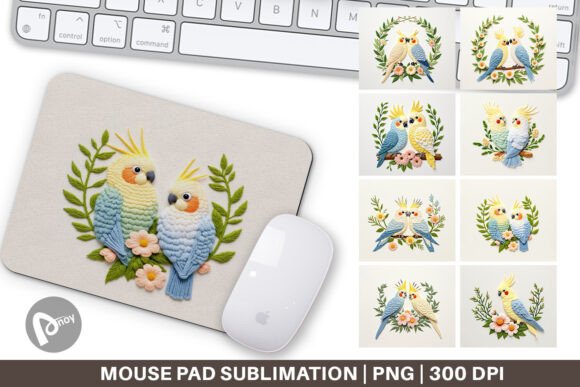
The immediate appeal of the Mouse Pad Cockatiel Embroidery lies in its whimsical nature. Cockatiels are beloved pets, known for their expressive crests and friendly demeanor, making them a popular choice for personalized gifts. The design presented in the product images suggests a high level of detail, capturing the texture of feathers and the personality of the bird. For embroidery professionals, the "mood" of a design dictates its market. This piece feels warm, inviting, and playful, which naturally fits into categories like nursery decor, pet lover accessories, and cheerful home office accents.
When reviewing the preview images, I looked closely at the color transitions. A successful machine embroidery design must manage color changes efficiently to avoid excessive thread breaks while maintaining visual depth. The cockatiel motif appears to utilize a mix of subtle shading and bold outlines, which is crucial for ensuring the bird does not look flat once stitched out. The artistic style leans towards a realistic yet softened illustration, which is ideal for creating a premium feel on finished goods.
Adapting the Design for Real-World Projects
One of the most important aspects of my review process is imagining the design on various substrates. Although the product description mentions it as a sublimation mouse pad graphic, as an embroiderer, I see potential far beyond desktop accessories. Here is how I envision using this digital embroidery file in a real workshop setting:
- Custom Apparel: Placing the cockatiel on the left chest of a polo shirt or centered on a youth-sized t-shirt creates an instant bestseller for pet owners.
- Tote Bag Design: A canvas tote featuring this bird would appeal to eco-conscious shoppers who love animals. The design’s scale seems appropriate for a standard bag panel.
- Sweatshirt Embroidery: On a fleece or cotton blend hoodie, the texture of the stitches can add a luxurious touch to the feather details, provided the stitch density is managed correctly.
- Embroidered Patch: This design could be stunning as a standalone patch. Using a satin stitch border around the cockatiel would give it a clean, professional edge suitable for iron-on application.
- Nursery Decor: Stitched onto a pillow cover or a baby blanket, the soft colors of a cockatiel can complement pastel room themes beautifully.
For Etsy sellers and small business owners, versatility is key. A single strong design can be repurposed across multiple product lines, maximizing the return on investment for each design asset purchased.
Technical Considerations for Stitching
While the visual appeal is strong, the technical execution is where many designs fail. Since the product details specify that you receive PNG files, it is crucial to understand the workflow. If you are converting this illustration into an embroidery file yourself, or if you are using it as a reference for a pre-digitized version, you must pay attention to several factors.
Stitch Density and Fabric Choice: Cockatiel feathers require nuanced stitching. If the density is too high, the fabric may pucker, especially on stretchy materials like jersey knits used for t-shirts. Conversely, if the density is too low, the underlying fabric might show through, ruining the illusion of fluffy feathers. I always recommend testing on scrap fabric first. For dark fabrics, consider using a white underlay or choosing thread colors with high contrast to ensure the design pops.
Hoop Size and Placement: Before starting any project, confirm the hoop size required. A detailed bird design often needs a medium to large hoop to accommodate the width of the wings and crest without hitting the hoop edges. If you are stitching on curved surfaces, such as caps, you must adjust the pull compensation to prevent distortion. The crest of the cockatiel is a delicate area; on a cap, this might require careful stabilization to maintain its shape.
Stabilizer Selection: The choice of stabilizer can make or break the final look. For woven fabrics like cotton twill used in tote bags, a cut-away stabilizer provides lasting support. For knit fabrics, a tear-away might suffice for lighter designs, but given the likely complexity of a bird illustration, a lightweight cut-away or a hybrid stabilizer is often safer to prevent shifting during stitching.
Enhancing Product Value and Brand Consistency
In the competitive world of handmade goods, presentation is everything. Using a high-quality, recognizable motif like the Mouse Pad Cockatiel Embroidery can elevate your brand. Customers associate detailed, well-stitched animal portraits with higher value. When you offer a personalized gift featuring a customer’s pet bird, you are not just selling embroidery; you are selling an emotional connection.
Furthermore, consistent use of high-quality graphics and embroidery files helps build trust. If your finished product looks crisp, with no loose threads or misaligned colors, customers are more likely to leave positive reviews and return for future purchases. This design, with its attractive and creative aesthetic, can serve as a cornerstone for a niche collection focused on avian lovers or exotic pet owners.
Practical Steps Before Commercial Use
Before adding this design to your inventory of commercial embroidery products, take these practical steps:
- Verify File Details: Since the product description mentions PNG files, ensure you have the necessary software to convert or utilize these graphics for embroidery if they are not already digitized .dst or .pes files. Check the Creative Fabrica product page for specific license terms regarding commercial use of the finished items.
- Test Thread Colors: Match your thread chart to the image. Cockatiels often have grey, white, yellow, and orange hues. Ensure your thread inventory matches these tones accurately to maintain the design’s integrity.
- Inspect Small Details: After stitching a test sample, inspect the tiny details. Are the eyes clear? Is the beak defined? Tiny lettering or fine lines can get lost if the needle size is too large or the tension is off.
- Create Printable Mockups: Use the graphic to create digital mockups for your online store. Showing the design on a virtual sweatshirt or tote bag can help customers visualize the final product, increasing conversion rates.
Final Thoughts on the Design
The Mouse Pad Cockatiel Embroidery offers a delightful blend of charm and technical interest. For embroidery designers and crafters, it represents an opportunity to tap into the passionate pet owner market. Whether you are creating a one-of-a-kind handmade product for a local craft fair or scaling up for an online boutique, this design has the potential to perform well. However, success depends on your ability to translate the digital illustration into precise stitches. By paying attention to stabilizer choices, thread contrasts, and fabric compatibility, you can ensure that every cockatiel you stitch brings joy to its recipient and profit to your business. Always remember to check the specific licensing and file formats on the product page to ensure full compliance with your intended use case.