Review: Retro Video Game Controller Embroidery Design
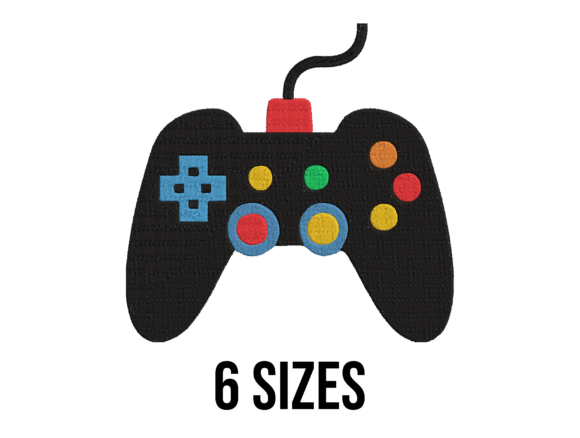
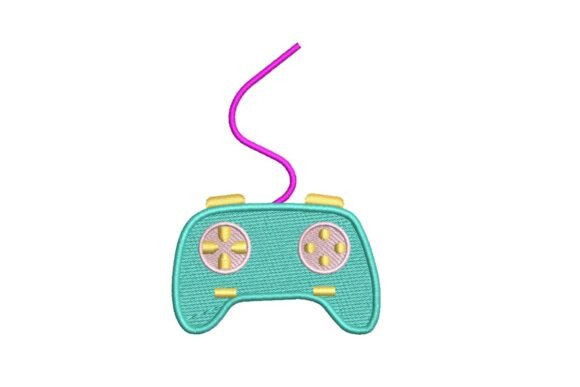
As a designer who has spent countless hours digitizing and testing machine embroidery design files, I have learned that the difference between a good file and a great one often lies in the details. When I first opened the Retro Video Game Controller Embroidery Design, my immediate reaction was not just about the nostalgia factor, but about its structural integrity. This is not merely a graphic; it is a functional asset for anyone looking to add personality to their handmade product line. The playful aesthetic, featuring a bright turquoise controller with pink joysticks and golden-yellow accents, suggests a fun, vibrant mood that appeals to a wide demographic, from Gen Z gamers to millennial parents.
First Impressions and Visual Personality
The layout of this design is compact yet bold. In the world of Toys Games themed merchandise, clarity is king. A cluttered design gets lost in the fabric texture, but this piece relies on strong shapes and high-contrast color blocking. The turquoise body serves as an excellent base for the satin stitch work, providing a smooth, glossy finish that mimics the plastic sheen of actual controllers. The pink joysticks are not just decorative; they act as focal points that draw the eye immediately. For an Etsy seller or small shop product creator, this visual hierarchy is crucial. It ensures that the design is recognizable even from a distance, which is vital for thumbnail images on digital marketplaces.
What stands out most is the balance between detail and stitch efficiency. Many retro-themed designs suffer from excessive stitch density, trying to capture every button and crevice. However, this design appears to prioritize readability. The golden-yellow accents are likely rendered with precise running stitch or narrow satin columns, preventing the "bird's nest" effect that can occur with overly complex digitizing. This thoughtful approach makes it suitable for various embroidery project types without requiring excessive trimming or cleanup.
Real-World Application: The Custom Sweatshirt Test
To truly evaluate an embroidery file, you must imagine it on a finished garment. I recently considered this design for a custom order involving a oversized, heavyweight cotton sweatshirt. The client wanted a personalized gift for their partner, a dedicated retro gaming enthusiast. Placing the Retro Video Game Controller Embroidery Design on the left chest area created a subtle, boutique-style look. The bright colors popped against the heather gray fabric, proving that the chosen thread colors have excellent versatility.
This scenario highlights why this design works well for custom apparel. It is not so large that it distorts the fabric, nor so small that the details vanish. For sweatshirt embroidery, the fill areas need to be dense enough to cover the fleece texture but not so dense that they create a hard, cardboard-like feel. Based on the visual structure, this design seems to strike that balance, offering a soft hand feel that customers appreciate in wearable items. It transforms a basic garment into a statement piece, adding perceived value to the finished product.
Versatility Across Product Lines
Beyond apparel, this design shines in home decor and accessories. Imagine it stitched onto a canvas tote bag design. The sturdy fabric of a tote provides an ideal canvas for the vibrant turquoise and pink, making it a standout item for craft fairs. Similarly, as an embroidered patch, this design would be highly effective. Patches require clean edges and minimal loose threads, and the defined shapes of the controller lend themselves well to merrowed or satin borders. This versatility allows craft business owners to maximize their inventory by using one digital embroidery file across multiple product categories, from kitchen towels to nursery decor.
For those focusing on baby embroidery, the playful nature of the controller makes it a hit for gender-neutral baby showers. However, caution is needed regarding placement and size. On smaller items like onesies, ensuring the design fits within a 4x4 hoop is essential. If the design is too large, it may need resizing, which can affect stitch quality. Always check the recommended hoop size before purchasing or downloading to ensure it fits your intended application without compromising detail.
Technical Considerations and Fabric Compatibility
While the design is visually appealing, practical execution requires attention to technical details. The use of bright thread colors means that fabric choice is critical. On dark fabrics, the turquoise and pink will pop, but you must ensure adequate underlay stitching to prevent the fabric color from showing through. Using a cut-away stabilizer is recommended for stretchy fabrics like t-shirts to maintain shape stability during washing. For woven fabrics like aprons or pillow covers, a tear-away stabilizer may suffice, but testing is always advised.
One area to watch is the transition between the fill stitch areas and the finer details. On textured fabrics, such as terry cloth towels or fuzzy fleece, small details can get lost. If you are planning to use this for holiday embroidery gifts on plush materials, consider increasing the size slightly to preserve the clarity of the joysticks and buttons. Additionally, avoid placing this design on highly curved surfaces like the front panel of a structured cap unless you have experience with hooping techniques that minimize distortion. The geometric nature of the controller can look warped if the fabric shifts during stitching.
Enhancing Brand Value and Customer Trust
For commercial embroidery professionals, the quality of your design assets directly impacts brand consistency. A clean, well-digitized design like this one signals professionalism. When customers see crisp lines and vibrant, non-bleeding colors, their trust in your craftsmanship increases. This is particularly important for printable mockup creation. High-quality photos of this design on various products can serve as powerful marketing tools, showcasing the versatility of your design assets.
Moreover, the nostalgic theme taps into an emotional connection for buyers. It is not just a controller; it is a memory. This emotional resonance can drive higher engagement and sales for small business merchandise. By offering this design on a range of products, from personalized gift items to boutique branding materials, you create a cohesive collection that appeals to a specific lifestyle niche.
Final Designer Notes and Best Practices
Before committing to a large production run or listing this as a new product, take the time to stitch out a test sample. Use scrap fabric similar to your final material to check thread tension and color contrast. Verify that the thread colors match your vision; sometimes, screen colors differ from physical thread shades. If you are selling the finished product, ensure you have the appropriate commercial license for the digital embroidery file. If you are selling the design itself, confirm that your platform allows for the distribution of applique design or standard embroidery files.
In summary, the Retro Video Game Controller Embroidery Design is a robust, versatile addition to any designer’s library. Its strong visual identity, combined with practical digitizing, makes it suitable for a wide array of applications. Whether you are creating a unique tote bag design, a cozy sweatshirt embroidery piece, or a charming baby embroidery item, this design offers the reliability and charm needed to succeed in the competitive handmade market. Treat it with the respect it deserves by testing thoroughly, and it will undoubtedly become a staple in your craft business portfolio.