Review: Mouse Pad Macaw Embroidery for Craft Fairs
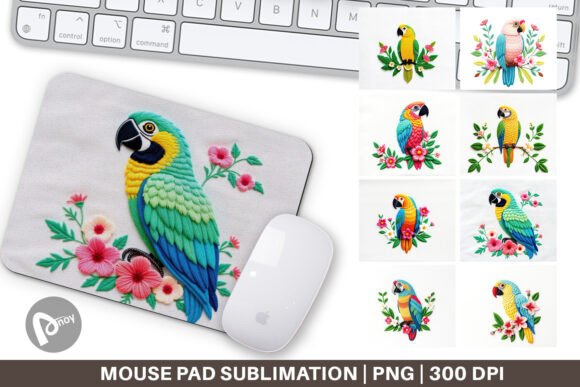
As an embroidery designer who has spent countless weekends behind a booth table, I know that the difference between a browser and a buyer often comes down to visual impact. When I first encountered the Mouse Pad Macaw Embroidery, my immediate reaction was one of curiosity mixed with practical scrutiny. The product description labels it as a sublimation mouse pad design, offering attractive and creative visuals to beautify work desks or gaming rooms. However, for those of us in the handmade community, we look beyond the digital listing. We ask: how does this translate into a tangible craft fair product? Does it have the vibrancy to stop a shopper in their tracks? Let’s break down this design from the perspective of a seasoned maker preparing for the next big market weekend.
First Impressions: Bold Tropical Energy
The macaw is not a subtle subject. It is bold, colorful, and inherently eye-catching. In the context of Illustrations and Graphics, a macaw design usually leans toward the vibrant and exotic rather than the minimal or rustic. My first impression of the Mouse Pad Macaw Embroidery concept is that it carries a high-energy, tropical vibe. This is crucial for booth displays. In a sea of neutral farmhouse linens and pastel baby items, a burst of tropical color creates a focal point. It feels modern and lively, appealing to customers looking for gifts that express personality. Whether you interpret this as a direct embroidery pattern or use the provided PNG files to create hybrid products, the aesthetic is undeniably premium and decorative.
Versatility Across Handmade Products
While the source material describes a sublimation mouse pad, the creative entrepreneur sees opportunity everywhere. The key to maximizing your return on investment is adapting the design across various small shop product lines. Here is how I evaluate its potential on different items:
- Tote Bag Design: A large-scale macaw works beautifully on canvas totes. The bright thread colors or printed details stand out against natural cotton, making it a perfect summer market item.
- Apron Embroidery: Imagine a dark navy or black apron with a vibrant macaw on the bib. This transforms a utility item into a statement piece for home cooks who love to entertain.
- Tea Towel Embroidery: For kitchen textiles, scale is everything. A smaller, simplified version of the macaw can serve as a charming accent on flour sack towels, adding a touch of whimsy without overwhelming the fabric.
- Embroidered Patch: If the design allows for clean edges, turning it into an iron-on patch is a smart move. Patches are low-cost, high-margin items that appeal to younger demographics and allow customers to customize their own jackets or bags.
- Pillow Covers and Market Bags: The square or rectangular nature of many mouse pad designs translates well to pillow fronts. The "gaming room" aesthetic mentioned in the description can be pivoted to a "boho living room" vibe with the right fabric choices.
Production Practicality and Visual Appeal
When evaluating a digital embroidery file or graphic asset, I always consider the ease of production. Can I batch this? Is it forgiving? The macaw design, by nature, involves complex curves and multiple color transitions. If you are stitching this, you must pay close attention to stitch density. High-density areas can cause puckering, especially on lighter fabrics. If you are using the PNG files for sublimation or printing, the clarity of the image at 9.5 inches is a significant advantage. It is large enough to be a focal point but small enough to fit on standard hoops or printable areas.
Photography is another critical factor. Bright colors like those found in a macaw design photograph exceptionally well. They pop on social media feeds and Etsy listings. For an Etsy seller, having a design that looks vibrant in thumbnails is half the battle won. The Mouse Pad Macaw Embroidery offers that instant visual hook. It suggests a finished product that is both fun and high-quality, enhancing the perceived value of your handmade brand.
Careful-Use Notes for Makers
Before you commit to producing fifty units for your next fair, there are technical considerations to address. Not every fabric behaves the same way. Here are my professional notes for handling this type of design:
- Fabric Texture and Stabilizer: Textured towels can obscure fine details. If embroidering, use a cut-away stabilizer to support the weight of the stitches. For sublimation, ensure the polyester content is high enough to retain the vividness of the macaw’s feathers.
- Thread Colors and Contrast: If stitching, match your thread colors carefully to the reference image. A macaw loses its impact if the reds look orange or the blues look muddy. Always test on scrap fabric first.
- Curved Surfaces: Applying this design to caps requires caution. The curved surface distorts wide designs. You may need to split the design or reduce its width to maintain clarity.
- Small Lettering and Details: If the design includes any text or tiny feather details, check if they remain clear at smaller sizes. Intricate details can get lost in thick fabric or when scaled down for patches.
- Dark Fabric Challenges: If you plan to offer this on dark garments, remember that standard sublimation only works on light polyester. For dark fabrics, you might need transfer vinyl or specialized embroidery threads to maintain brightness.
Strategic Advice for Commercial Success
To truly succeed with commercial embroidery or printed goods, you must treat the design as part of a larger system. Check the licensing terms included with your design assets. The description mentions receiving PNG files, which suggests these are graphics rather than native machine embroidery formats like PES or DST. This distinction is vital. If you are an embroiderer, you may need to digitize the PNG yourself or hire a digitizer, ensuring you have the rights to do so. If you are a sublimation printer, the PNG format is ready to go, but always verify the resolution.
Create at least one real mockup before launching. Place the design on a actual tote bag or mouse pad and photograph it in natural light. Compare how it looks on white versus cream fabric. Does the hoop size you plan to use accommodate the full 9.5-inch width, or will you need to resize? These small checks prevent costly mistakes during peak sales seasons.
Ultimately, the Mouse Pad Macaw Embroidery is more than just a file; it is a tool for engagement. It invites conversation. Customers will stop to admire the colors, asking about the bird or the technique. That interaction is where sales happen. By understanding the strengths of this design—its boldness, its versatility, and its visual appeal—you can position it as a standout item in your booth. Whether you choose to stitch it, print it, or combine techniques, ensure that every finished product reflects the care and creativity that defines your brand. Test your materials, respect the details, and let the vibrant energy of the macaw drive your next successful collection.