Review: Making ORT Embroidery Projects for Holiday Sales
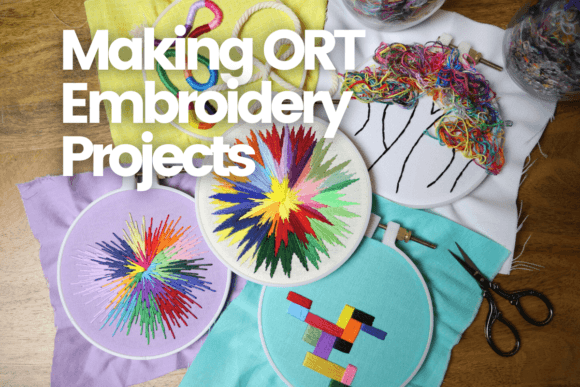
As an experienced embroidery designer, I spend a significant portion of my year planning collections that resonate with the emotional rhythm of the seasons. When I first encountered Making ORT Embroidery Projects, my initial reaction was one of curiosity mixed with professional scrutiny. The title suggests a focus on sustainability and creativity, turning what is often considered waste—those tiny snippets of thread known as ORT—into valuable design elements. For those of us running small shops or managing Etsy listings, this concept is not just about crafting; it is about maximizing resources while creating unique, handmade gifts that stand out in a crowded marketplace.
The seasonal mood of this collection feels inherently cozy and nostalgic. It taps into the "slow craft" movement, appealing to buyers who value sustainability and the human touch behind every stitch. Unlike bold, modern graphics that shout for attention, designs focused on repurposing materials often feel rustic, intimate, and premium. This emotional tone is crucial during the holiday season, where customers are searching for personalized gifts that convey thoughtfulness rather than just consumption. When reviewing this for potential inclusion in a winter product line, I looked for versatility. Could these concepts translate well onto sweatshirt embroidery? Would they hold up on delicate kitchen towel embroidery? The answer lies in how we adapt the technique to various fabric textures.
Seasonal Appeal and Product Versatility
In real-world selling situations, Making ORT Embroidery Projects offers a distinct advantage: storytelling. Holiday shoppers love a narrative. When you list a tote bag design or a pillow cover that utilizes repurposed threads, you are not just selling an item; you are selling a commitment to zero-waste creativity. This enhances the perceived value of the finished product. Imagine offering a limited edition apron where the decorative elements are crafted from the excess threads of previous runs. It creates a sense of exclusivity and artisanal charm that mass-produced items cannot replicate.
For apparel decorators, this approach works beautifully on heavy cotton sweatshirts and hoodies. The texture of accumulated ORT can add a dimensional, almost painterly quality to simple shapes like snowflakes, hearts, or seasonal motifs. However, placement is key. On curved caps or stretchy garments, one must be cautious. The bulk of layered thread scraps can affect the drape of the fabric if not secured properly. For home decor, such as table linens or ornament covers, the aesthetic fits perfectly. The rustic, slightly irregular nature of ORT art complements the warm, inviting atmosphere of holiday gatherings.
When considering this for your own shop, think about gift bundles. A set of embroidered patches made from ORT can be attached to denim jackets, backpacks, or beanies. These make excellent stocking stuffers or add-on items that increase average order value. Social media previews of the creation process—showing the colorful pile of threads transforming into a cohesive design—can drive significant engagement. Customers love seeing the "behind the scenes" effort, which builds trust and brand consistency.
Technical Considerations for Professional Results
While the concept is charming, executing Making ORT Embroidery Projects requires technical precision. As a designer, I always advise checking the stitch density and hoop size compatibility before committing to a large batch. If you are incorporating traditional machine embroidery alongside ORT techniques, ensure that the base design provides a stable foundation. Using the proper stabilizer is non-negotiable, especially when working with lighter fabrics like voile or linen for kitchen towels. Without adequate support, the weight of the thread scraps could cause puckering or distortion after washing.
Fabric texture plays a massive role in the final outcome. Thick towels absorb moisture and hide minor imperfections, making them ideal for beginners experimenting with this technique. However, on smooth, dark fabrics, any inconsistency in the ORT application will be highly visible. I recommend testing thread colors on both light and dark fabric swatches. Contrast is essential; if the ORT blends too much with the background, the design loses its impact. Conversely, if the colors clash unintentionally, the piece may look messy rather than artistic. Plan matching color palettes that align with your seasonal theme—deep reds and greens for Christmas, soft pastels for spring, or warm oranges and browns for autumn.
Another critical factor is durability. Items that need repeated washing, such as baby items or daily-use aprons, require secure anchoring of the loose threads. Consider using a fine mesh overlay or a tight satin stitch border to encapsulate the ORT. This ensures that the decorative elements remain intact through multiple wash cycles, maintaining customer satisfaction and reducing return rates. Always review small details after stitching. Pull away any stray ends that might unravel over time, ensuring a polished, professional finish.
Marketing and Commercial Viability
From a business perspective, integrating Making ORT Embroidery Projects into your lineup can differentiate your brand. In a sea of digital embroidery file buyers looking for the next trendy motif, offering a class or a finished product line based on sustainable practices positions you as an innovator. For Etsy sellers, this is a powerful keyword strategy. Terms like "eco-friendly embroidery," "upcycled thread art," and "zero-waste handmade gift" attract a specific, loyal demographic willing to pay a premium for ethical craftsmanship.
However, clarity is vital. If you are selling this as a class, ensure that students understand the scope. Are they learning to create their own ORT designs from scratch, or are they applying pre-made patterns? If you are selling finished products, be transparent about the materials used. Mentioning that each piece is unique due to the nature of repurposed threads can turn a potential variability issue into a selling point. No two items are exactly alike, which enhances the allure of the personalized gift market.
Before launching, confirm commercial licensing if you are using any underlying digital embroidery files as a base for your ORT work. Not all designers allow their machine embroidery designs to be altered or combined with other techniques for commercial sale. Check the terms carefully to avoid legal issues. Additionally, create realistic mockups for your promotional graphics. Show the product in use—a child wearing the sweater, the tote bag filled with groceries, the pillow on a cozy sofa. This helps buyers visualize the item in their own lives, boosting conversion rates.
Final Designer Notes
In conclusion, Making ORT Embroidery Projects is more than just a craft technique; it is a strategic approach to seasonal product development. It appeals to the growing demand for sustainability while offering endless creative possibilities for holiday embroidery and seasonal embroidery collections. Whether you are creating embroidered patches for a craft fair display or designing high-end pillow covers for online sales, this method adds depth and story to your work.
Remember to start small. Test your concepts on inexpensive fabric scraps before moving to premium materials. Pay attention to the balance between the machine-stitched base and the hand-applied or manipulated ORT elements. Keep your hoop size constraints in mind, especially if you are working with smaller items like ornaments or baby bibs. By combining technical diligence with creative flair, you can transform leftover threads into coveted treasures. For those interested in mastering this skill, looking into specialized Classes on thread management and creative embellishment can provide the foundational knowledge needed to elevate your small shop product offerings. Embrace the imperfections, celebrate the sustainability, and let your creativity lead the way in this festive season.