Review: Christmas Forest Gaming Controller Embroidery
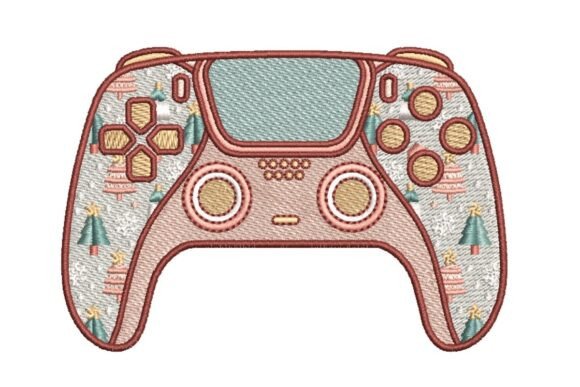
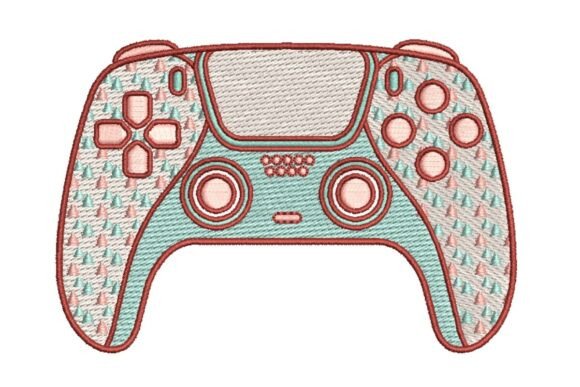
As a designer who spends more time staring at stitch maps than actual finished garments, I have developed a keen eye for what works in the hoop and what looks great on a screen but fails in thread. When I first pulled up the Christmas Forest Patterned Gaming Controller Embroidery Design, my initial reaction was one of pleasant surprise. It is rare to find a design that successfully bridges the gap between modern gaming culture and traditional holiday aesthetics without feeling forced or kitschy. This piece manages to blend a stylized, modern gaming controller with a festive winter forest pattern, creating a visual narrative that feels both cozy and contemporary.
The base of the controller features a textured light pink or peach tone, which immediately sets a softer, more boutique mood compared to the aggressive neon colors often associated with gaming merchandise. This color choice is strategic. It allows the design to sit comfortably within the Games Leisure category while appealing to a broader demographic, including those who might not identify as hardcore gamers but appreciate the aesthetic. For an embroidery project aimed at holiday gifts, this subtlety is a major asset.
First Impressions and Visual Personality
The layout of the design is balanced, with the controller serving as the central anchor. The winter forest pattern decorating the body of the controller is not merely an overlay; it interacts with the shape, suggesting depth and texture. From a technical standpoint, the transition between the solid outlines and the internal pattern requires careful attention to stitch density. If the density is too high, the fabric may pucker; if too low, the underlying material might show through, ruining the crispness of the forest motif.
In my assessment, the design exudes a calm, playful energy. It does not scream for attention but invites closer inspection. This makes it ideal for products where the embroidery is meant to be a delightful discovery rather than a loud statement. The use of outline stitches to define the controller’s buttons and edges provides necessary structure, ensuring the shape remains recognizable even from a distance. This clarity is crucial for maintaining the professional look of any handmade product.
Real-World Application: The Custom Sweatshirt Test
To truly evaluate this machine embroidery design, I imagined applying it to a real-world scenario: a custom holiday sweatshirt for a small shop client. Sweatshirts are a staple for Etsy sellers and boutique owners during the winter season. The light pink or peach base of the controller would contrast beautifully against a heather grey or cream-colored fleece. However, the success of this application depends heavily on the fabric texture.
Fleece has a pile that can swallow fine details. If the forest pattern within the controller relies on very fine satin stitch work or tight fill stitch areas, it might lose definition on thick fleece. In such cases, I would recommend using a cutaway stabilizer to provide maximum support and prevent the design from sinking into the fabric. Alternatively, this design would shine on a smooth cotton tote bag, where the tote bag design could be appreciated in full detail without the interference of fabric nap.
For those considering sweatshirt embroidery, it is vital to test the design on scrap fabric first. Check how the thread colors interact with the garment. The peach tones may require specific thread brands to achieve the right warmth and saturation. A mismatch here could make the design look washed out or overly bright, disrupting the cohesive winter vibe.
Navigating Technical Challenges
While the aesthetic is strong, there are practical considerations for any craft business owner looking to use this file. The complexity of the forest pattern means that stitch count could be significant. Although exact stitch counts are not provided in the brief, experienced embroiderers know that detailed patterns increase run time and thread breaks. Before committing to a large batch of commercial embroidery orders, verify the file specifications.
Another critical factor is hoop size. Ensure that your machine’s hoop can accommodate the full width of the controller without truncating the design. If you are working with smaller hoops, you may need to resize the design, but be cautious. Shrinking the design too much can cause the intricate forest details to merge, turning distinct trees into a muddy blob. Always inspect small details at 100% zoom in your embroidery software before stitching.
Additionally, consider the surface you are embroidering on. Curved surfaces like caps present a challenge for wide designs. The controller’s horizontal orientation might distort on a curved brim. For embroidered patch creation, however, this design would excel. Patches allow for dense stabilizing and can be ironed onto various items later, offering versatility for customers who want to customize their own gear.
Enhancing Product Value and Brand Consistency
From a business perspective, the Christmas Forest Patterned Gaming Controller Embroidery Design offers a unique selling point. It targets a niche intersection of gamers and holiday enthusiasts, a group often overlooked by mainstream holiday decor. By offering this as a personalized gift option, you can increase perceived value. Imagine adding a name in a complementary font below the controller; this transforms a standard design into a bespoke item.
Visual appeal directly influences customer trust. A clean, well-digitized design signals professionalism. If the stitches are uniform and the colors are harmonious, buyers are more likely to perceive the entire brand as high-quality. This is particularly important for small shop product lines where repeat customers rely on consistent quality. Use this design in your printable mockup galleries to show potential buyers how it looks on different items, from aprons to pillow covers.
Practical Designer Notes for Best Results
- Test on Scrap Fabric: Always run a test stitch on the same type of fabric you plan to use for the final product. This helps identify any tension issues or puckering before you ruin expensive material.
- Check Thread Contrast: The light pink/peach base needs to stand out against the background fabric. If using dark fabrics, consider adding a white underlay or choosing a lighter garment color to ensure the design pops.
- Review Stitch Density: High-density areas can cause perforation in thin fabrics. Use appropriate stabilizers, such as tear-away for stable woven fabrics or cutaway for knits and stretchy materials.
- Verify Licensing: Before selling finished items or digital products, confirm the license terms associated with the digital embroidery file. Ensure you have commercial use rights if you plan to sell the finished product.
- Mockup in Black and White: Convert your preview to black and white to check for contrast and detail clarity. If the design loses its shape in grayscale, it may lack sufficient contrast in thread colors.
In conclusion, this design is a thoughtful addition to any embroidery file library for the holiday season. It balances trendiness with timeless holiday charm, making it suitable for a wide range of applications from baby embroidery on onesies to sophisticated home decor. By paying attention to technical details like stabilizer choice and fabric compatibility, you can ensure that every stitched piece reflects the high quality and creativity that customers expect from a professional maker.