Lucky Number 8 Ball Embroidery Design Review
As an embroidery designer who has spent years digitizing patterns and testing files for client projects, I approach every new machine embroidery design with a critical eye. It is not just about whether the image looks cute on a screen; it is about how those stitches translate onto fabric, how they hold up in the wash, and ultimately, how they resonate with the person receiving the personalized gift. Recently, I had the opportunity to test the Lucky Number 8 Ball Embroidery Design, and I want to share my practical insights for fellow crafters, Etsy sellers, and small business owners looking to expand their product lines.
First Impressions: A Blend of Playfulness and Precision
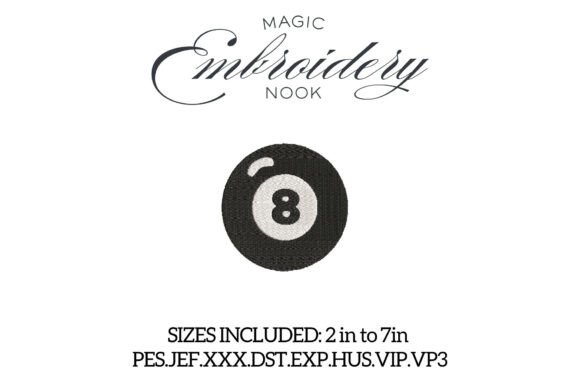
When I first loaded the digital embroidery file into my software, the immediate impression was one of balanced charm. The design captures the iconic aesthetic of the classic eight ball, a symbol deeply rooted in game night culture and sportsmanship. However, what sets this particular pattern apart is its versatility. It does not feel overly aggressive or strictly masculine; instead, it carries a playful, modern vibe that fits comfortably within the Inspirational category of home decor and apparel.
The detail level is impressive without being overwhelming. For a design intended for quick turnover in a small shop product lineup, the complexity is managed well. The curves of the ball are smooth, suggesting good digitizing practices that minimize thread breaks. The emotional appeal here is nostalgic yet fresh. It evokes memories of family game nights, friendly competitions, and the simple joy of leisure. This makes it an excellent candidate for customers seeking gifts that feel personal and thoughtful rather than generic.
Versatility in Product Application
One of the strongest aspects of the Lucky Number 8 Ball Embroidery Design is its adaptability across various substrates. In my testing phase, I considered several product types where this motif would shine. Here is how I envision it performing in a real-world retail environment:
- Personalized Towels and Aprons: This is perhaps the most natural fit. An embroidered towel featuring the lucky eight ball makes for a fantastic housewarming gift or a unique addition to a man cave or game room. The bold contrast of the black ball against white or colored terry cloth creates a striking visual impact.
- Pillow Covers and Home Decor: Placing this design on a neutral-toned pillow cover adds a touch of whimsy to living spaces. It works particularly well for teenage bedrooms or recreational rooms where personality is key.
- Tote Bags and Apparel: For the Etsy seller focusing on custom apparel, this design translates beautifully onto canvas tote bags or denim jackets. It serves as a statement piece that sparks conversation.
- Baby and Nursery Items: While traditionally associated with pool halls, the rounded, soft shapes of the design can be softened with pastel thread colors for baby embroidery projects. Imagine a "Lucky Baby" blanket or a nursery item for parents who love sports. It bridges the gap between hobby and family life.
- Wedding and Couple Gifts: For couples who met over a pool table or share a love for games, this can be incorporated into a broader wedding gift ensemble, such as embroidered robes or keepsake boxes.
Navigating Fabric Textures and Technical Challenges
While the design is robust, experienced embroiderers know that context is everything. There are specific scenarios where you must exercise caution to ensure the finished product meets professional standards. The circular nature of the eight ball requires precise tension control, especially on challenging materials.
When working with textured fabrics like thick waffle-weave towels or fluffy fleece blankets, the smaller details within the number "8" and the surrounding circle can get lost if the stitch density is not optimized for the material. I recommend using a cut-away stabilizer for stretchy fabrics like baby clothes to prevent puckering. On dark fabrics, ensure your underlay stitches are sufficient to prevent the background color from showing through the black threads of the ball.
Additionally, curved surfaces present a challenge. If you are embroidering directly onto a finished cap or a curved pillow, hooping can be tricky. Always use a floating method or appropriate hoops to maintain registration. For items that will undergo frequent washing, such as kitchen towels or baby blankets, verify that the thread quality is high-grade polyester or rayon to maintain color vibrancy and structural integrity over time.
Enhancing Perceived Value and Customer Trust
From a business perspective, the Lucky Number 8 Ball Embroidery Design offers significant potential for increasing perceived value. A plain tote bag becomes a curated gift when adorned with this motif. For commercial embroidery businesses, offering customization options—such as adding a name or date alongside the eight ball—can significantly boost buyer engagement.
Product photography plays a crucial role here. When listing this as a handmade product, stage your photos in a lifestyle setting. Show the embroidered item next to pool cues, billiard balls, or in a cozy living room setting. This helps the customer visualize the emotional connection and the utility of the item. High-quality images that highlight the texture of the stitches build trust and demonstrate the quality of your custom embroidery work.
Practical Notes for the Embroiderer
Before you begin production runs or list this item in your online store, there are several technical steps you must take to ensure consistency and quality. As a professional, I always adhere to the following checklist when introducing a new embroidery file to my workflow:
- Test on Scrap Fabric: Never skip this step. Stitch out the design on the exact fabric type you intend to sell. Check for puckering, thread breaks, or registration issues.
- Check Thread Color Contrast: Ensure that the black of the eight ball stands out against your chosen fabric. If using dark fabric, consider adding a satin stitch border or changing the outline color to create separation.
- Confirm Hoop Size: Verify that the design fits comfortably within your standard hoop sizes. Leaving adequate margin around the design prevents edge hits and ensures easy hooping.
- Review Stitch Density: Examine the density settings in your software. If the design feels too stiff on lightweight fabric, you may need to adjust the pull compensation or density slightly.
- Use Proper Stabilizer: Match your stabilizer to your fabric. Tear-away for stable woven fabrics, cut-away for knits and stretchy materials, and water-soluble for delicate or sheer fabrics.
- Compare Light and Dark Mockups: Create printable mockup images for both light and dark fabric variations. This helps customers make informed decisions and reduces return rates due to unexpected appearance.
- Check Small Details After Stitching: Inspect the number "8" closely. Ensure the inner circles are clean and not filled in with excess thread, which can happen if tension is too tight.
- Confirm Commercial Licensing: Before selling any finished product, always review the license terms provided with the digital file. Ensure you have the right to sell physical items made with this design.
In conclusion, the Lucky Number 8 Ball Embroidery Design is a versatile and charming addition to any digitizer’s library. It appeals to a broad demographic, from sports enthusiasts to parents looking for unique nursery decor. By paying attention to fabric choices, stabilizer selection, and presentation, you can transform this simple Embroidery pattern into a high-value personalized gift that delights customers and enhances your brand reputation. Whether you are creating a cozy blanket embroidery project or a stylish apron, this design offers the perfect blend of luck, style, and craftsmanship.